- Traditional ceremonies and festivals
- Culinary heritage and local dishes
- Art and crafts unique to the region
Introduction to Bintan Local Culture
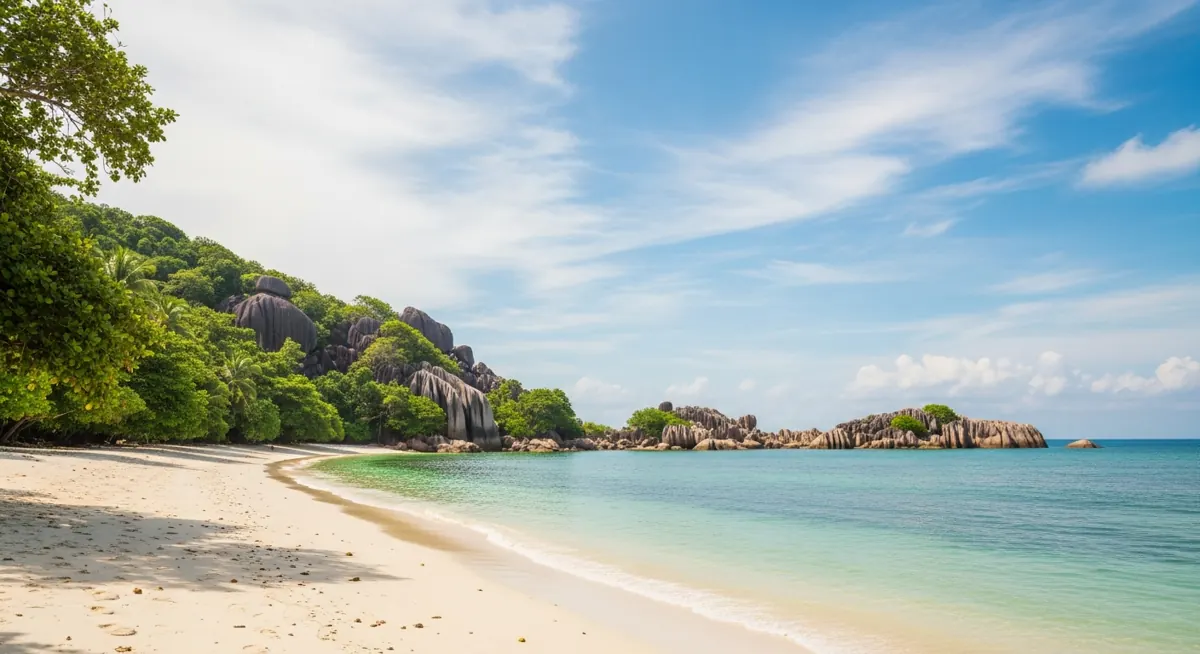
Bintan Island, part of Indonesia’s Riau Archipelago, offers a rich mosaic of culture shaped by history, geography, and the diverse ethnic communities that call it home. Understanding Bintan’s local culture enhances the travel experience, allowing visitors to appreciate the island beyond its idyllic beaches and luxurious resorts.
Ethnic Diversity
Bintan is home to multiple ethnic groups, including the Malay, Bugis, and Javanese. Each group contributes to the island’s cultural landscape, from language and cuisine to festivals and traditional crafts. The Malay culture is predominant, reflected in the local language, art, and social customs.
Traditional Festivals
Festivals in Bintan are vibrant events that showcase local traditions and community spirit.
1. The Riau Archipelago Festival
This annual festival celebrates the diverse cultures of the Riau Archipelago, with performances, traditional music, and dance. It typically occurs in July and attracts both locals and tourists.
2. Hari Raya Aidilfitri
Marking the end of Ramadan, this festive occasion is observed with communal prayers, family gatherings, and feasting. Visitors can witness the local customs and partake in the joyous atmosphere.
3. Pesta Pantai
Held at various beaches on the island, this beach festival includes traditional sports, games, and culinary competitions. It is a great opportunity for visitors to engage with locals and learn about traditional practices.
Culinary Heritage
Bintan’s local cuisine is a delicious reflection of its cultural diversity. Influences from various ethnic groups create a unique gastronomic experience for travelers.
Local Dishes to Try
– Nasi Goreng: A flavorful fried rice dish, typically made with vegetables, chicken, and spices.
– Sate: Skewered meat served with peanut sauce, a popular street food item.
– Pisang Goreng: Fried bananas, a sweet snack enjoyed by locals.
Visitors can explore local markets and street vendors to taste authentic dishes. Participating in cooking classes can also provide insight into the culinary techniques and ingredients used in Bintan’s traditional recipes.
Art and Crafts
Bintan is known for its rich tradition of arts and crafts, which reflect the island’s cultural history.
1. Batik
Batik is a traditional Indonesian dyeing technique used to create intricate patterns on fabric. Visitors can find local batik artisans and even participate in workshops to learn the craft.
2. Wood Carving
Wood carving is another significant aspect of Bintan’s artistic heritage. Skilled artisans create intricate designs that often depict local folklore and nature. Purchasing handmade crafts supports local artists and preserves traditional techniques.
3. Weaving
Traditional weaving techniques are used to produce textiles and crafts unique to the region. Visitors can explore weaving workshops to gain firsthand experience of this age-old skill.
Social Customs and Etiquette
Understanding local customs and etiquette is vital for respectful interaction with Bintan’s residents.
1. Greetings
A friendly smile and a nod are common ways to greet someone in Bintan. When meeting someone for the first time, a handshake is customary, though it’s important to be mindful of personal space.
2. Dress Code
While Bintan is relatively open to tourists, modest dress is appreciated, especially in rural areas. Wearing swimwear is acceptable at the beach but should be covered when away from the water.
3. Photography Etiquette
Always ask for permission before taking photos of individuals, especially during religious ceremonies or private events. Respect for personal space and privacy is crucial.
The Role of Religion
Islam is the predominant religion on Bintan Island, influencing many aspects of local life. Visitors may notice the call to prayer, which occurs five times a day, and the presence of mosques throughout the island.
1. Religious Observances
During Ramadan, visitors may experience a quieter atmosphere as locals fast from dawn until sunset. It’s respectful to avoid eating or drinking in public during this time.
2. Local Temples and Shrines
Bintan is also home to various temples and shrines, reflecting the island’s diverse spiritual landscape. The Vihara Avalokitesvara Graha temple is a notable site, welcoming visitors interested in understanding Buddhist practices.
Shopping for Local Goods
Shopping in Bintan provides an opportunity to bring home unique souvenirs and support local artisans.
1. Local Markets
Visiting local markets allows travelers to experience Bintan’s day-to-day life. Markets like Tanjung Pinang’s traditional market offer local produce, handicrafts, and culinary delights.
2. Souvenir Shops
Souvenir shops in tourist areas often sell handicrafts, textiles, and food products unique to Bintan. Be sure to negotiate prices, as haggling is common practice.
Participating in Bintan’s Vibrant Festivals
Joining in Bintan’s local festivals offers a unique opportunity to connect with the island’s rich traditions. Events such as the Bintan Cultural Festival showcase traditional music, dance, and culinary delights, allowing visitors to experience the island’s vibrant spirit firsthand. Engaging with these celebrations provides deeper insight into the cultural fabric of Bintan.
All-Inclusive Resorts in Bintan
Bintan Island is also known for its all-inclusive resorts, offering travelers a hassle-free vacation experience. These resorts often bundle accommodation, meals, and activities, providing excellent value for money.
1. Club Med Bintan
Located on the northern coast, Club Med Bintan is a popular choice for families and couples. The resort offers a range of activities, including golf, yoga, and water sports. Prices start from approximately $200 USD per night per person, including meals and entertainment.
2. The Residence Bintan
Situated on the eastern coast, The Residence Bintan offers luxury villas with private pools and sea views. The resort provides a variety of packages, including spa treatments and excursions. Prices begin at around $250 USD per night, offering a luxurious escape with all-inclusive options.
3. Banyan Tree Bintan
Known for its striking cliff-top location, Banyan Tree Bintan provides a serene retreat with a focus on wellness and relaxation. Guests can enjoy spa treatments, gourmet dining, and nature walks. Rates start at $300 USD per night, with packages that include meals and activities.
Getting Around Bintan
Navigating Bintan is relatively straightforward, with several transportation options available for tourists.
1. Taxis and Car Rentals
Taxis are widely available and can be a convenient way to explore the island. Fares are generally affordable, with a short trip costing around $5 USD. For more flexibility, car rentals are available from major providers at the ferry terminal and airport, with prices starting at $40 USD per day.
2. Public Transportation
Local buses and minibusses, known as “angkot,” are an economical way to travel around Bintan. Fares are typically less than $1 USD, but routes can be limited, and schedules are not always reliable.
3. Bicycles and Motorbikes
For those seeking a more adventurous way to explore, bicycles and motorbikes can be rented from various shops and resorts. Prices for bicycle rentals start at $10 USD per day, while motorbikes can be rented for about $15 USD per day, offering a unique way to discover Bintan’s scenic landscapes.