- Historical significance as a trade hub in Southeast Asia.
- Colonial influences from the Portuguese, Dutch, and British.
- Cultural diversity with Malay, Chinese, and indigenous traditions.
A Brief Overview of Bintan Island’s History
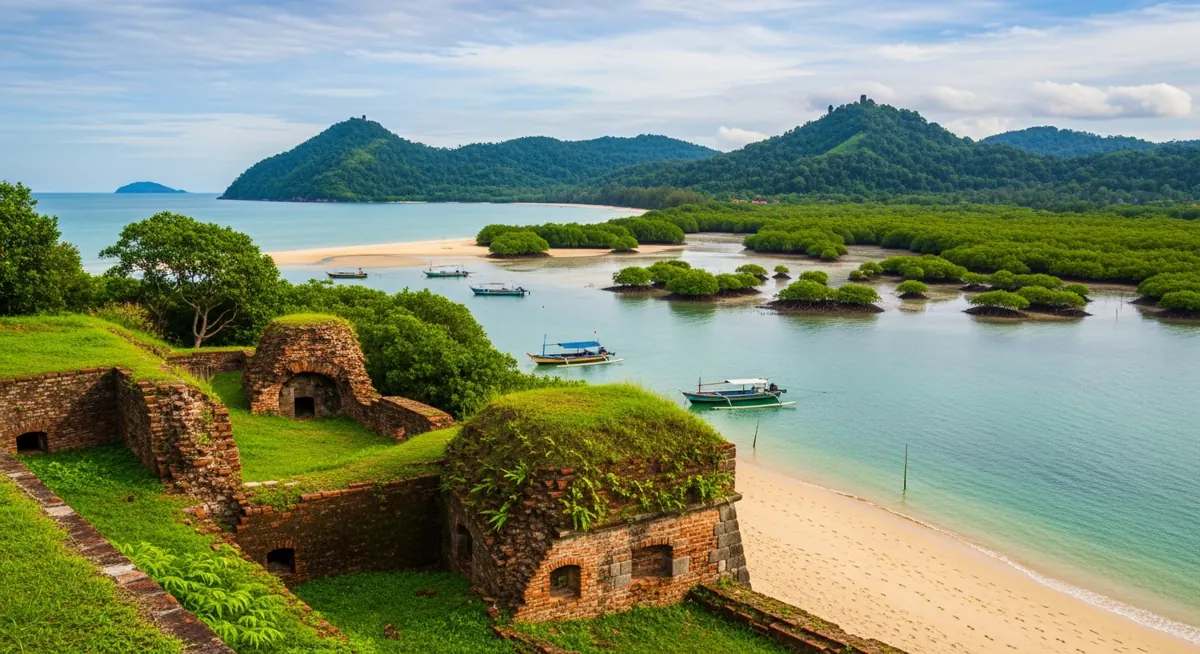
Bintan Island, the largest island in the Riau Archipelago, is located just southeast of Singapore. Its strategic position has made it a significant hub for trade and cultural exchange for centuries. The island’s history is deeply intertwined with the political and economic dynamics of Southeast Asia.
Early History and Trade
Bintan’s history can be traced back to the 15th century when it became an important trading post for merchants from various regions, including China, India, and the Middle East. The island was part of the Malacca Sultanate, which controlled trade routes in the region. This period saw the establishment of local Malay kingdoms that thrived on the wealth generated from trade.
The island’s economy primarily revolved around the trade of spices, textiles, and precious metals. Bintan’s strategic location allowed it to serve as a transit point for traders moving between the Indian Ocean and the South China Sea.
Colonial Era Influences
As European powers sought to dominate trade in the region, Bintan Island became a focal point for colonial interests. In the 16th century, the Portuguese were among the first Europeans to arrive, establishing trade relations and seeking to control the lucrative spice trade. However, their influence waned, and the Dutch emerged as the dominant power in the 17th century.
By the late 18th century, the British also recognized Bintan’s strategic importance. They established a presence on the island to counter Dutch influence and protect their trade routes. The island became a site of conflict and cooperation among these colonial powers, leading to significant changes in its governance and economy.
The Impact of Colonial Rule
Colonial rule brought about significant changes to Bintan’s social and economic structure. The introduction of cash crops, such as rubber and palm oil, altered traditional agricultural practices. The colonial administration also implemented infrastructure projects, including roads and ports, to facilitate trade.
However, colonial rule also led to the marginalization of local populations. Indigenous communities faced displacement and cultural assimilation as colonial powers exerted control over their lands and resources. The impact of these changes can still be observed in Bintan’s contemporary society.
Post-Colonial Era and Development
Following Indonesia’s independence in 1945, Bintan Island underwent significant transformations. The island was designated as a tourist destination in the late 20th century, capitalizing on its natural beauty and cultural heritage. The government invested in infrastructure and tourism development, attracting both domestic and international visitors.
Today, Bintan Island is known for its luxurious resorts, pristine beaches, and vibrant cultural scene. The government has promoted sustainable tourism to preserve the island’s natural environment while supporting local communities.
Cultural Diversity on Bintan Island
Bintan Island is home to a rich mosaic of cultures, reflecting its historical interactions with various ethnic groups. The Malay community is predominant, with its language, customs, and traditions shaping the island’s cultural identity. Festivals, traditional dances, and culinary practices highlight the vibrancy of Malay culture.
Chinese migrants also settled on Bintan, contributing to its cultural diversity. The influence of Chinese culture is evident in local cuisine, festivals, and architecture. Temples and traditional Chinese festivals coexist with Malay customs, illustrating the harmonious blend of cultures on the island.
Indigenous communities, including the Orang Laut, have their unique traditions and lifestyles. Their deep connection to the sea and natural environment is reflected in their practices, beliefs, and art forms.
Modern-Day Bintan: A Cultural Hub
In recent years, Bintan Island has emerged as a cultural hub, celebrating its diverse heritage through various events and festivals. The annual Bintan Cultural Festival showcases traditional performances, crafts, and culinary experiences, attracting visitors from across the region.
Local artisans play a crucial role in preserving traditional crafts, including batik, weaving, and pottery. Visitors can engage with artisans, learn about their crafts, and even participate in workshops, fostering a deeper understanding of Bintan’s rich cultural heritage.
The island’s culinary scene is equally diverse, offering a fusion of Malay, Chinese, and Indonesian flavors. Visitors can enjoy local dishes, such as nasi goreng, satay, and seafood specialties, in both high-end restaurants and traditional warungs (local eateries).
Traveling to Bintan Island
For travelers interested in exploring Bintan Island’s history and culture, several options are available. The island is accessible by ferry from Singapore, making it a convenient getaway for both short visits and extended stays.
Bintan offers a range of accommodation options, from luxurious all-inclusive resorts to budget-friendly hotels. Many resorts provide cultural experiences, such as traditional dance performances, cooking classes, and guided tours to historical sites.
The best time to visit Bintan is during the dry season, which typically runs from April to October. During this period, travelers can enjoy pleasant weather, making it ideal for outdoor activities such as beach outings, water sports, and cultural excursions.
Experiencing Bintan Island’s Cultural Fusion
When visiting Bintan Island, be sure to explore the vibrant blend of cultures that make it unique. Start with a visit to the local markets where you can sample traditional dishes and interact with friendly locals. Don’t miss the colorful cultural festivals that occur throughout the year, celebrating the island’s rich heritage and diverse influences. A trip to the ancient temples offers a glimpse into Bintan’s historical significance, providing a window into the past while enjoying the island’s serene beauty.
Planning specifics? See Bintan All Inclusive.
Planning specifics? See Bintan All Inclusive or check availability.